

Saudi Arabia is undergoing a historic economic transformation through Vision 2030, an ambitious national strategy designed to diversify the Kingdom’s economy beyond oil. With hundreds of billions of dollars being invested in infrastructure, tourism, technology, healthcare, logistics, renewable energy, and smart cities, the initiative is generating significant demand for international talent.
For Pakistanis seeking overseas employment, Saudi Vision 2030 presents one of the biggest career opportunities of the decade. As mega-projects expand and new industries emerge, Pakistani professionals, technicians, engineers, healthcare workers, IT specialists, and skilled laborers are finding increasing opportunities across the Kingdom.
Understanding Saudi Vision 2030
Launched in 2016, Vision 2030 aims to reduce Saudi Arabia’s dependence on oil revenues while developing a diversified, innovation-driven economy. The initiative focuses on economic growth, private-sector development, tourism expansion, digital transformation, and infrastructure modernization.
Some of the flagship projects driving this transformation include:
- NEOM
- The Line
- The Red Sea Project
- Qiddiya
- Diriyah Gate
- King Salman Park
- Green Riyadh
These projects are reshaping the Saudi economy and creating thousands of new employment opportunities across multiple sectors. According to the official Vision 2030 transformation framework, projects such as NEOM and The Red Sea Project are expected to become major drivers of economic growth, tourism, and job creation.
Why Saudi Vision 2030 Matters for Pakistanis
Saudi Arabia has traditionally been the largest overseas employment destination for Pakistani workers. However, Vision 2030 is changing the nature of employment opportunities available in the Kingdom.
Previously, most Pakistani workers were employed in traditional labor-intensive sectors. Today, Saudi Arabia is seeking professionals with technical, managerial, healthcare, engineering, hospitality, and digital skills.
According to Pakistan’s Economic Survey 2025-26, the government has developed a workforce deployment strategy aligned with Saudi Vision 2030, targeting the placement of one million Pakistani workers in Saudi Arabia by 2030. The strategy focuses on supplying skilled and semi-skilled workers to sectors experiencing rapid growth under the Kingdom’s diversification agenda.
Major Sectors Creating Jobs for Pakistanis

1. Construction and Infrastructure Development
Construction remains the largest source of employment opportunities under Vision 2030.
Saudi Arabia is investing heavily in mega-projects, transportation networks, housing developments, entertainment destinations, and urban infrastructure. Projects such as NEOM, Qiddiya, Diriyah Gate, and the Red Sea Project require a vast workforce.
High-demand positions include:
- Civil Engineers
- Project Managers
- Site Supervisors
- Quantity Surveyors
- Electricians
- Welders
- Plumbers
- Heavy Equipment Operators
- Safety Officers
Pakistani workers have historically played a vital role in Saudi Arabia’s construction industry, and demand is expected to continue growing throughout the Vision 2030 implementation period.
Recommended Reading:
2. Information Technology and Digital Transformation

Saudi Arabia is rapidly becoming a regional technology hub.
The Kingdom is investing in artificial intelligence, cybersecurity, cloud computing, smart city technologies, fintech, and digital government services. As a result, demand for technology professionals continues to rise.
In-demand roles include:
- Software Developers
- Data Analysts
- Cybersecurity Experts
- Cloud Engineers
- Network Administrators
- AI Specialists
- IT Project Managers
Pakistan’s growing IT workforce is well-positioned to benefit from these opportunities as Saudi companies seek skilled professionals to support their digital transformation goals.
3. Healthcare and Medical Services

Healthcare expansion is another major pillar of Vision 2030.
The Kingdom is investing in new hospitals, specialized medical centers, healthcare technologies, and medical tourism initiatives. This has created increasing demand for:
- Doctors
- Nurses
- Pharmacists
- Laboratory Technologists
- Radiology Technicians
- Healthcare Administrators
Pakistani healthcare professionals have long been recognized for their expertise and continue to find strong employment prospects in Saudi Arabia.
4. Tourism and Hospitality
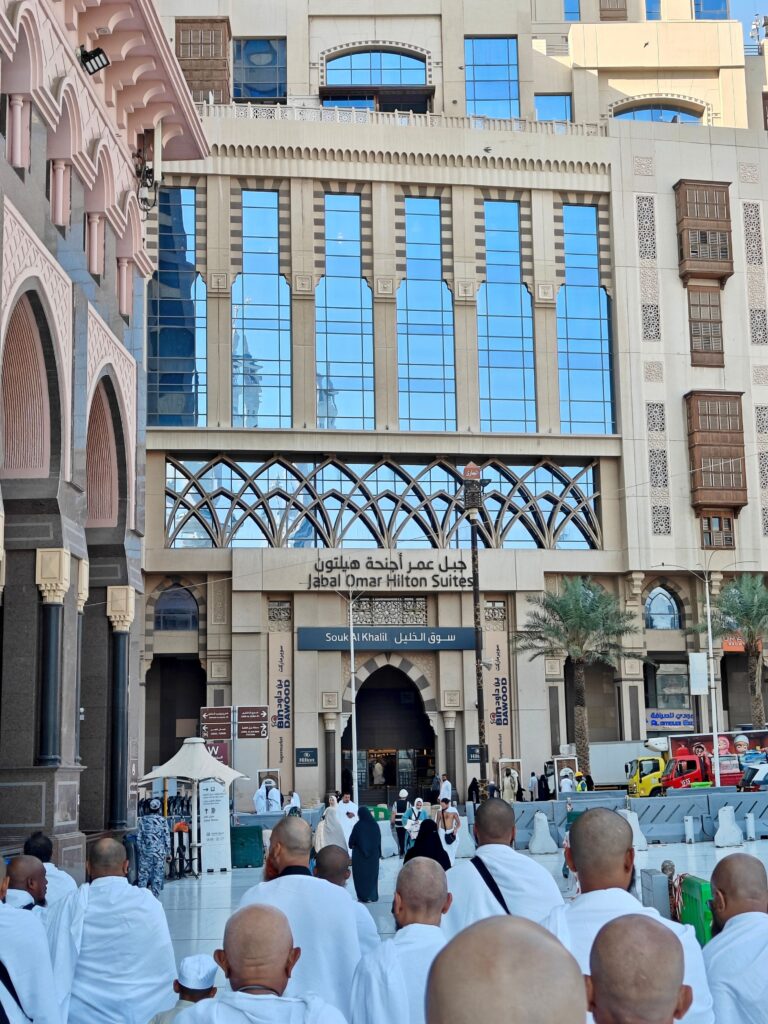
One of the most significant changes under Vision 2030 is Saudi Arabia’s push to become a global tourism destination.
The Kingdom plans to attract millions of international visitors through luxury resorts, entertainment hubs, cultural attractions, and sporting events. Projects such as the Red Sea Project and Qiddiya are expected to generate substantial employment opportunities in hospitality and tourism.
Career opportunities include:
- Hotel Managers
- Front Office Staff
- Customer Service Representatives
- Chefs
- Event Coordinators
- Tour Operators
- Hospitality Supervisors
For Pakistanis with hospitality experience, this sector offers long-term career growth and competitive salaries.
5. Logistics and Aviation
Saudi Arabia aims to become a global logistics gateway connecting Asia, Europe, and Africa.
To support this vision, the Kingdom is investing in airports, ports, logistics zones, and transportation infrastructure. As a result, employers are seeking:
- Logistics Coordinators
- Supply Chain Managers
- Warehouse Supervisors
- Transportation Specialists
- Aviation Professionals
- Freight and Cargo Experts
Pakistan’s workforce development strategy specifically identifies logistics and aviation as priority sectors for future deployment to Saudi Arabia.
Emerging High-Skill Opportunities
Vision 2030 is not limited to traditional industries. Several emerging sectors are creating new opportunities for highly qualified Pakistani professionals.
These include:
- Renewable Energy
- Artificial Intelligence
- Internet of Things (IoT)
- Climate and Sustainability Management
- Smart Infrastructure
- Advanced Manufacturing
- Research and Innovation
Saudi government officials and Pakistani workforce planners have identified these sectors as future employment drivers requiring specialized skills and certifications.
Skills Pakistani Workers Need to Stay Competitive
As Saudi Arabia moves toward a knowledge-based economy, employers increasingly prioritize skilled candidates.
Job seekers should focus on:
- Professional Certifications
- Technical Training
- English Communication Skills
- Digital Literacy
- Project Management Skills
- Health and Safety Certifications
- Industry-Specific Qualifications
Pakistan has already launched initiatives to align vocational training and technical education with Saudi labor market requirements, helping workers qualify for higher-paying roles.
Challenges to Consider
While opportunities are expanding, competition is also increasing.
Saudi Arabia continues to implement workforce localization policies that encourage the employment of Saudi citizens in certain occupations. Therefore, Pakistani workers must focus on acquiring specialized skills and professional qualifications that remain in high demand.
Workers who invest in training, certification, and continuous professional development will have a stronger chance of securing long-term employment under Vision 2030.
Future Outlook for Pakistani Job Seekers
The future of Pakistani employment in Saudi Arabia appears highly promising.
Recent government initiatives indicate strong cooperation between Pakistan and Saudi Arabia to align workforce development with the Kingdom’s economic transformation plans. Pakistan’s goal of deploying one million workers by 2030 demonstrates the scale of opportunities expected to emerge over the coming years.
As projects such as NEOM, the Red Sea Project, Qiddiya, Expo 2030, and preparations for the FIFA World Cup 2034 continue to expand, demand for skilled Pakistani professionals is likely to increase further.
Conclusion
Saudi Vision 2030 is transforming the Kingdom into a diversified, innovation-driven economy, creating unprecedented employment opportunities across construction, healthcare, technology, tourism, logistics, and emerging industries.
For Pakistani professionals and workers, this transformation represents a unique opportunity to build rewarding international careers while contributing to the economic partnership between Pakistan and Saudi Arabia. By investing in skills development, professional certifications, and industry-relevant training, Pakistanis can position themselves to benefit from one of the largest workforce expansion programs in the Gulf region.
Useful Resources
- Saudi Vision 2030 Official Portal
- NEOM Official Website
- The Red Sea Global Project
- Pakistan Bureau of Emigration & Overseas Employment
